
Coffee
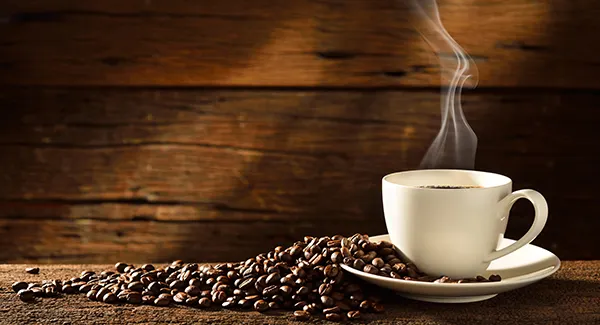


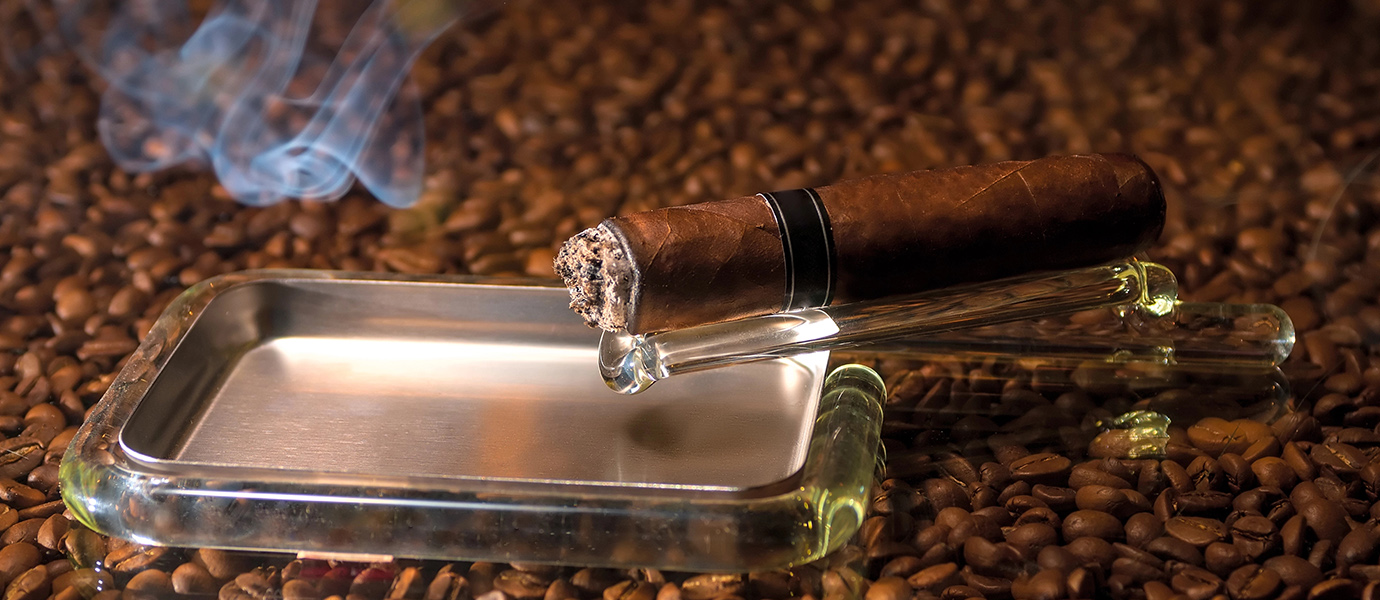
Cigars and coffee?
Coffee and cigars - the ultimate pleasure experience! We explain why coffee and cigars are a delicious combination for true connoisseurs. If you are looking for an extraordinary flavour experience, then you should definitely try this pairing!
Perfect harmony of flavours
Coffee and cigars share a profound complexity of flavour that can enhance each other. The full, often slightly bitter taste of a strong coffee ideally complements the rich, often earthy flavours of a cigar. The combination of a hot, aromatic coffee and the smoke of a cigar creates a sensory experience that is hard to beat in its intensity and variety.
Cleansing the palate
Another reason why coffee goes perfectly with cigars is its ability to cleanse the palate. After each puff of the cigar, a sip of coffee can refresh the palate, helping you to better taste and appreciate the different flavours of the cigar.
Relaxation and atmosphere
The combination of coffee and cigar is not only a hit in terms of flavour, but also a real treat for relaxing moments. Both stimulants are known to have a calming effect and offer a break from the hustle and bustle of everyday life. The slow enjoyment of a cigar together with the sensual ritual of drinking coffee promotes relaxation and sociability.
Enhancing perception
Coffee is known to heighten the senses. The caffeine stimulates the nervous system and can increase alertness, which in turn can deepen the perception of the complex flavours of a cigar. This makes every puff of the cigar a more intense experience.
A ritual pleasure
Both cigars and coffee have a long tradition as stimulants that are often enjoyed in ritual contexts. The combination of these two offers a double dose of cultural and historical significance, making every moment of enjoyment special and unique.
Discover the ideal combination of coffee and cigar and experience how these two stimulants come together to enrich your flavour experience. Whether you prefer a strong espresso or a smooth caffè latte, find the perfect coffee to complement your cigar and enjoy the synergy this combination has to offer.
What makes a good coffee?
A good coffee can make the difference between an ordinary day and an extraordinary one. In this guide, we discover the key elements that make a quality coffee and how you can find the best coffee for your taste.
Origin and cultivation
The quality of a coffee starts with its origin. High-quality coffee often comes from specific regions known for their ideal climate and fertile soils. Countries such as Brazil, Colombia, Ethiopia and Guatemala are famous for their excellent coffee beans. Good coffee is carefully cultivated using sustainable farming methods that support both the environment and the farmers.
Roasting
Roasting is crucial to the development of a coffee's flavour profile. It transforms the green, raw coffee beans into the aromatic, brown beans that we grind and brew. Master roasters use different degrees of roast, from light to dark, to bring out the unique aromas and flavours of each bean. A good coffee has a roast that emphasises its best characteristics without creating bitter or burnt notes.
Freshness
Freshness is another critical factor that defines a good coffee. Coffee should be consumed as fresh as possible after roasting, as it loses its flavour over time. Ideally, coffee should be ground and brewed within a few weeks of roasting to experience the full flavour. Make sure to store your coffee in airtight containers away from light, heat and moisture.
Grind size
The grind plays an important role in making the perfect coffee. Depending on the brewing method, you need a different grind - finely ground for espresso, medium for filter coffee and coarse for French press. A consistent grind ensures optimum extraction of aromas and flavours.
Water quality
The water used to prepare the coffee has a decisive influence on its flavour. Soft, clean water, free from impurities and excessive mineral content, is ideal for making excellent coffee. Hard or chlorinated water can have a negative effect on the flavour and should be avoided.
Brewing method and technique
Finally, the brewing method is what makes a good coffee. Whether you use a coffee machine, an espresso maker, a French press coffee maker or an AeroPress, each method has its own advantages and produces different flavour profiles. The right brewing temperature and brewing time are crucial to extracting the best flavour from the beans.
By taking these factors into account, you can be sure to enjoy a coffee of excellent quality that makes every moment a special experience.
Coffee - a cultural asset for centuries
The history of coffee is an exciting journey through cultures and continents, beginning hundreds of years ago in ancient Ethiopia. Discover how a simple shrub changed the world and became one of the world's favourite drinks.
Origins in Ethiopia
Legend has it that coffee was discovered in the 9th century by a goatherd in Ethiopia who noticed how lively his goats became after eating the red berries of a particular shrub. Monks in a nearby monastery used it to make the first coffee to sustain long nights of prayer. This discovery marked the beginning of the long history of coffee.
Spread in the Arab world
In the 15th century, coffee arrived in Yemen, where it was grown commercially and consumed in the famous Islamic coffee houses, the "Qahveh Khaneh". These coffee houses became centres of social life where people met to discuss news, politics and stories.
Coffee reaches Europe
In the 17th century, coffee reached Europe and sparked a true coffee house culture, starting in Venice and quickly spreading across the continent. Despite initial resistance and mistrust of the "devil's drink", coffee soon became an integral part of European life.
Expansion to America
Coffee found its way to America through colonisation and trade. The famous Boston Tea Party in 1773 marked a turning point in which coffee became a patriotic substitute for tea. Coffee plantations sprang up in South and Central America and became a cornerstone of the local economies.
Industrialisation and innovation
With the industrial revolution also came innovations in the coffee industry, such as the invention of the espresso machine in the early 20th century, which was able to prepare coffee quickly and efficiently. This led to the emergence of espresso culture in Italy and later to the global popularity of espresso-based drinks.
Coffee today
Today, coffee is a global phenomenon and plays an essential role in the economy of many countries. With the third wave of coffee culture, the focus is on sustainability, fair trade coffee and the art of brewing coffee, further deepening the appreciation for this versatile beverage.
The story of coffee is not just the story of a beverage, but also the story of a cultural evolution that connects people all over the world. From Ethiopian highlands to modern cafés in metropolises, coffee is a symbol of hospitality, enjoyment and human connection.